Your Rebates: Federal Battery Rebate and Solar STCs

Battery STCs (BSTCs): the short answer

Battery STCs, sometimes written BSTCs, are the small-scale technology certificates an eligible home battery creates under the federal Cheaper Home Batteries Program. Their value comes off your price at point of sale. See the battery rebate calculator and the battery rebate step-down, or add a battery to existing solar.

What are battery STCs (BSTCs)?

A battery installed under the Cheaper Home Batteries Program creates small-scale technology certificates (STCs), sometimes called battery STCs or BSTCs. Their value is taken off your price at point of sale, and we handle the paperwork.

Do I apply for the battery STCs myself?

No. As your installer, we create and claim the certificates and take their value off your price at point of sale.

Two federal rebates come off your price at point of sale: the Cheaper Home Batteries rebate for a home battery, and small-scale technology certificates (STCs) for solar panels. We build both into every design and do all the paperwork.

How much would it cost for your home? See a typical price range in about a minute with our free solar and battery price calculator.

Get a free energy assessment · Call 0483 903 020

★★★★★Rated 5.0 from 57 Google reviews · read them on Google

Federal battery rebate (Cheaper Home Batteries Program)

Work out your battery rebate: Battery Rebate Calculator

Work out your battery rebate

The Cheaper Home Batteries Program is the Australian Government’s discount on installing a small-scale battery. It runs through the Small-scale Renewable Energy Scheme, administered by the Clean Energy Regulator, the same scheme that gives the solar panel rebate. An eligible battery creates small-scale technology certificates (STCs). Those certificates have a market value, and as your installer we take that value off your price at point of sale. You don’t apply for anything yourself.

How many locals have used it so far? The Clean Energy Regulator records 7,163 home batteries installed across our Northern Rivers postcodes from July 2025 to August 2026: see the official solar and battery numbers by town.

  • Who can get it: Australian households, businesses and community organisations.
  • Battery size: systems between 5 and 100 kWh nominal capacity. Certificates are only created for the first 50 kWh of usable capacity.
  • New or existing solar: it applies to batteries connected to new or existing rooftop solar, so you can add a battery to the solar you already have.
  • One battery claim per property: only one battery system per premises can create STCs.
  • Runs to 2030: the program is open until 31 December 2030, with the rebate stepping down every six months.
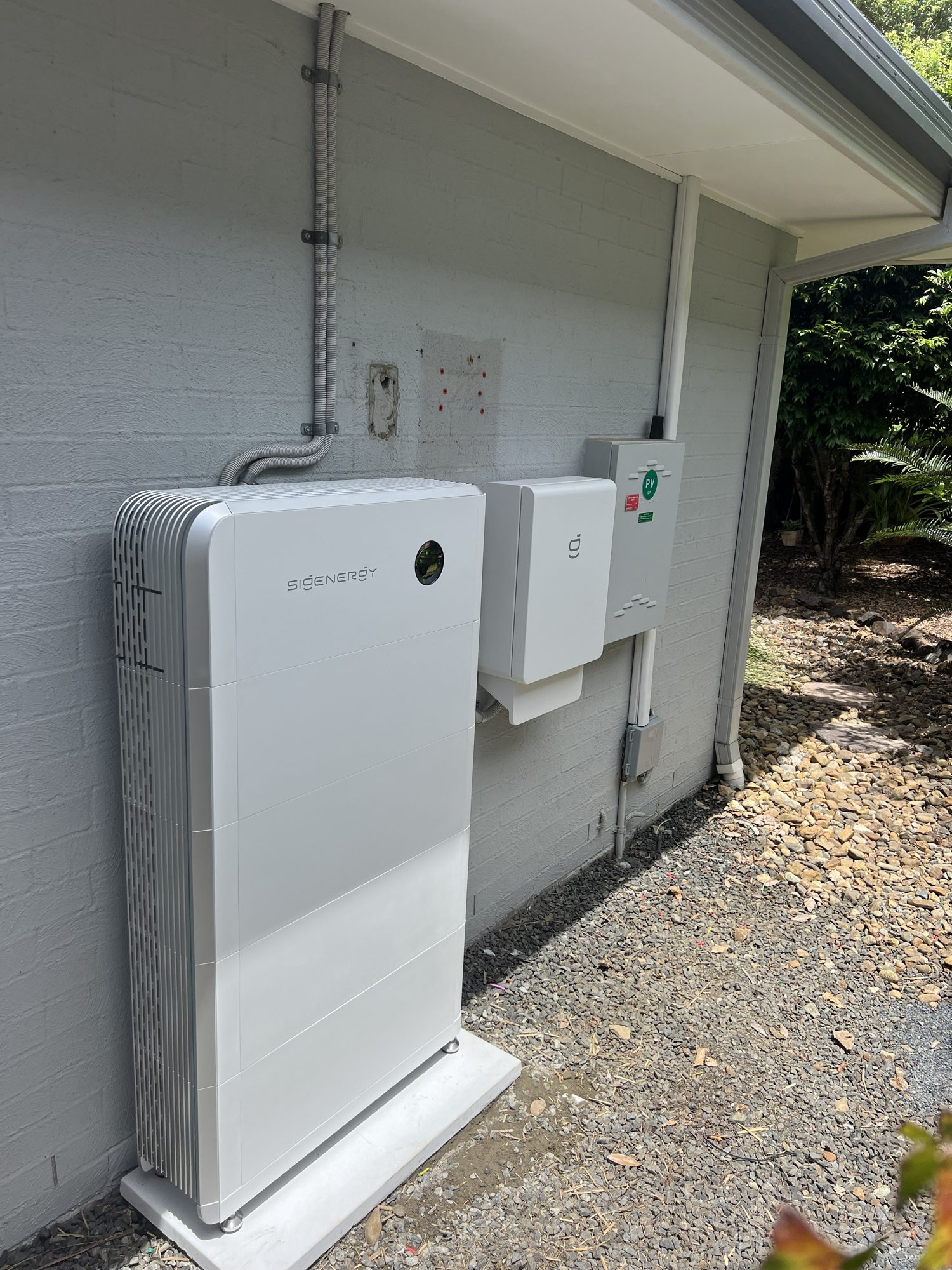
Sigenergy home battery installed by Sun Connect Solar in the Northern Rivers NSW, with the federal Cheaper Home Batteries rebate taken off at point of sale
A Sigenergy home battery installed by our own in-house team, with the federal battery rebate built into the price.

Which batteries are eligible for the federal rebate?

According to the Clean Energy Regulator, to create STCs the battery must:

  • be on the Clean Energy Council (CEC) approved battery list
  • be new (made within 12 months of the install date) and never installed before
  • have a nominal capacity between 5 and 100 kWh
  • be technically capable of joining a virtual power plant (VPP), if it is connected to the grid
  • be installed to AS/NZS 5139:2019 and state electrical safety laws
  • be installed by a Solar Accreditation Australia (SAA) accredited installer with a battery endorsement

We are an SAA-accredited installer and a fully licensed NSW electrical contractor, and we install batteries from premium to mid-tier and more: Sigenergy (premium), GoodWe (mid-tier, the ESA all-in-one with 8 kWh modules), plus Sungrow, Solax and Tesla. We check the exact model against the approved list before it goes in your proposal.

How much is the federal battery rebate?

It depends on the size of your battery, the date it is installed and the market price of STCs at the time. The number of certificates is your battery’s usable capacity (in kWh) multiplied by the STC factor for the install date. Bigger batteries are tapered:

Usable capacity Share of the STC factor applied
First 14 kWh Full factor (100%)
Over 14 kWh, up to 28 kWh 60% of the factor
Over 28 kWh, up to 50 kWh 15% of the factor
Over 50 kWh No certificates

Because STCs trade on a market, the dollar value moves a little over time, so we don’t publish a single rebate amount. Your proposal shows the exact rebate for your battery, already taken off the price. If you want to check the maths yourself, the Clean Energy Regulator links to an STC calculator on its solar batteries page.

We size the battery to how you actually use power, from your bills, not to chase the rebate. See battery sizing from your power bills.

Battery rebate step-down from 1 January 2027

The STC factor for batteries steps down every six months until the scheme ends in 2030. The factor that applies is the one on the day your battery is installed, not the day you get a quote or sign.

Battery installed STC factor
1 May to 31 December 2026 6.8
1 January to 30 June 2027 5.7
1 July to 31 December 2027 5.2
1 January to 30 June 2028 4.6
1 July to 31 December 2028 4.1

It keeps falling after that, to 2.1 for the second half of 2030. So the same battery creates fewer certificates with each step. If you were going ahead anyway, an install before 1 January keeps the higher factor. A proper job still takes a few steps (energy assessment, design, a site visit and a connection application to Essential Energy), and we’ll tell you honestly whether an install date before a step-down is realistic. More detail: battery rebate step-down in 2027.
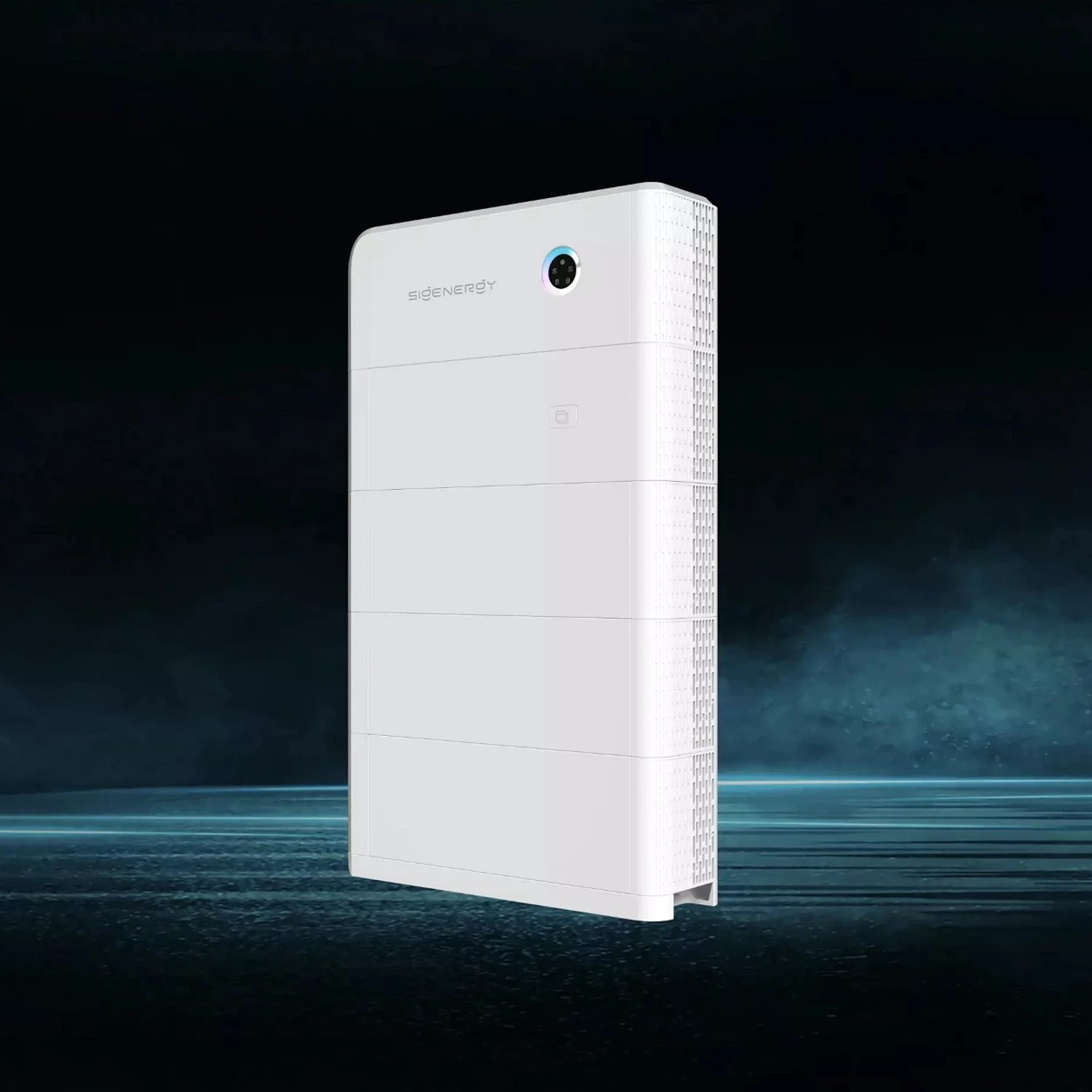
Sigenergy SigenStor home battery, eligible for the federal Cheaper Home Batteries rebate, installed by Sun Connect Solar in the Northern Rivers NSW (Sigenergy product image)
Sigenergy SigenStor home battery (Sigenergy product image).

Adding a battery to existing solar

Yes, the battery rebate applies when you add a battery to the solar you already have. On your energy assessment we check whether your panels can cover your daytime use and charge a battery for the night. If they can, it’s a battery only job. If not, we design the extra solar you need, and that new solar earns solar STCs too. Before install day we check the battery position and your switchboard, including any RCBO upgrades, on a face-to-face site visit. See adding a battery to existing solar and blackout backup batteries.

Already have a battery? Extra capacity can only create STCs if your first battery never claimed them, you add at least 5 kWh, and the total stays under 100 kWh.

Is there a NSW battery rebate for homes? (as of October 2026)

As of October 2026, the NSW Government does not offer its own upfront discount on installing a home battery. Its battery discount under the Peak Demand Reduction Scheme is now for businesses and apartment buildings (see business solar and battery rebates). Households get their upfront battery discount from the federal Cheaper Home Batteries Program above.

What NSW does offer households is the virtual power plant (VPP) incentive: a payment for connecting an eligible battery to a VPP. As of October 2026 it is open with no closing date, and since 1 July 2026 batteries from 2 kWh up to 50 kWh are eligible. The amount depends on how much battery capacity you make available to the grid (counted up to 28 kWh) and on the VPP provider and contract you choose, and it can be claimed once per electricity meter. The VPP provider pays it, as an upfront payment, instalments or bill credit, and it comes on top of the federal battery rebate.

A VPP isn’t right for everyone, because it gives the provider some say over when your battery charges and discharges. We’ll tell you honestly whether it suits you. See should I join a virtual power plant? and the NSW Government’s VPP incentive page.

Solar panel rebate: small-scale technology certificates (STCs)

Small-scale technology certificates, or STCs, are credits issued under the federal Small-scale Renewable Energy Scheme (SRES), run by the Clean Energy Regulator, towards rooftop solar installations across Australia. Like the battery rebate, we take the value of your solar STCs off your price at point of sale.

This scheme runs annually, per calendar year, to provide incentives and assistance to purchasers of solar panels and inverters for systems aimed at reducing energy costs. Business solar rebates for commercial properties are also available.

Leave Your Details
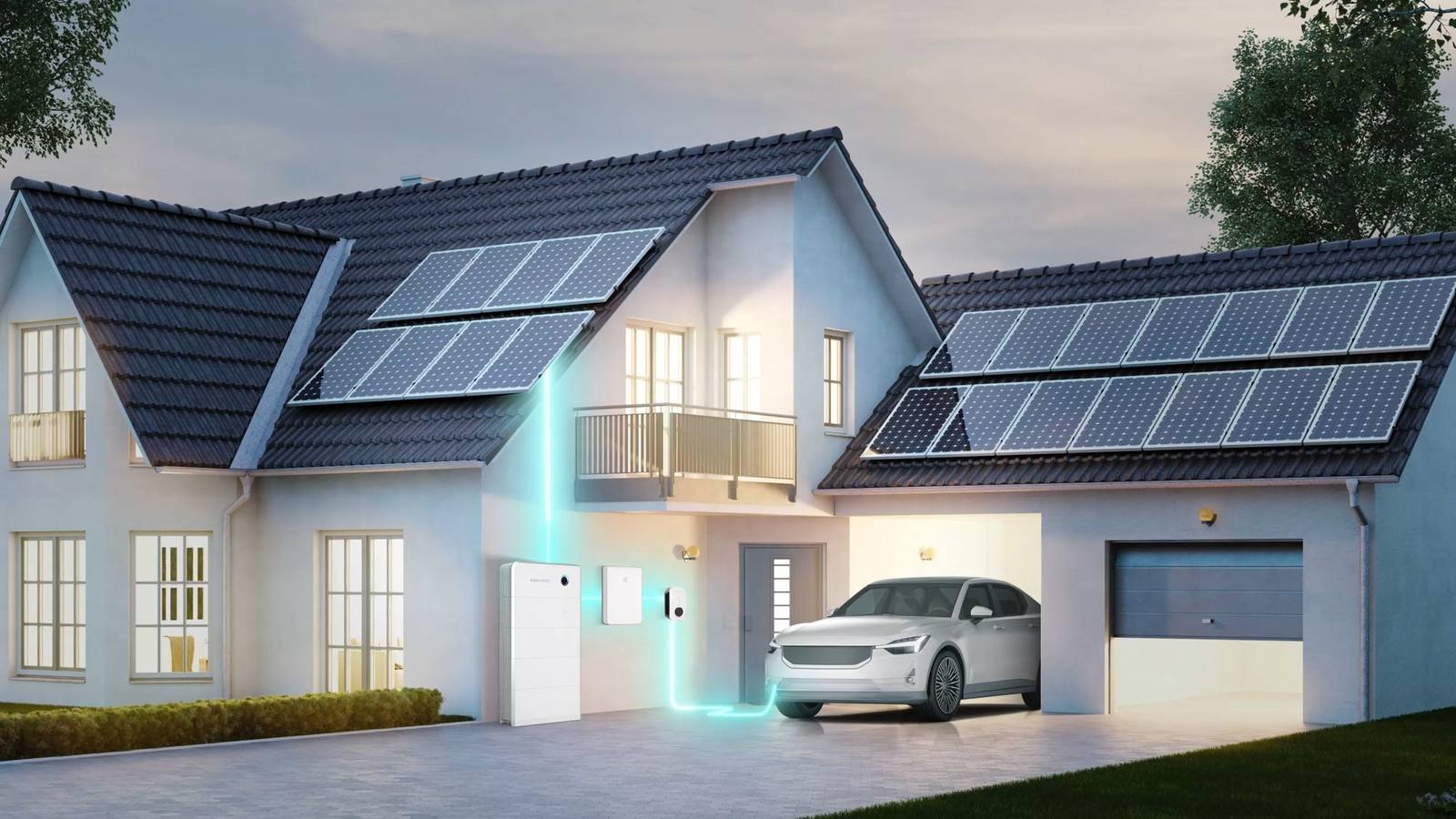
Home with rooftop solar, a Sigenergy battery and EV charger, eligible for the federal battery rebate and the NSW 0% loan (Sigenergy product image)

Rebates are tightly regulated, so we handle the paperwork and evidence for you.

Rebate claims are checked by the Clean Energy Regulator, and only accredited installers can create the certificates. As your installer, we prepare and lodge the paperwork and evidence each claim needs, so you don’t have to.

Solar STCs can be claimed until the scheme ends in 2030, but a new solar system creates fewer certificates every January as the scheme winds down.

Check My Rebate

How the rebates stack with the NSW 0% loan

In NSW, the order is simple:

  1. Federal battery rebate (Cheaper Home Batteries) comes off your battery price at point of sale.
  2. Solar STCs come off the price of any new solar panels at point of sale.
  3. The NSW Home Energy Saver program 0% interest loan of up to $15,000, up to 10 years, can then cover the rest. Loans by Brighte. Eligibility and lender approval apply.

With the rebates off first and the loan covering the rest, many of our customers can get solar and a battery with no money down, and the repayments are often offset by what they save on their power bills. We show you how it looks with your own bills rather than a generic example. See how the NSW 0% loan works or check your rebate and 0% loan.

Battery and solar rebates across the Northern Rivers

We build the federal rebates into every design right across our service area, including Byron Bay, Mullumbimby, Ballina, Lismore and Tweed Heads and Kingscliff. Northern Rivers residents also get $500 off their system: ask us about it on your assessment. Businesses can claim the battery rebate too: see commercial solar.

Why locals trust us with their rebates

  • Rebates built in, paperwork done: the federal battery rebate and solar STCs come off at point of sale.
  • SAA-accredited installer, NETCC accredited, Sigenergy-approved and an accredited Brighte installer. Fully licensed NSW electrical contractor (licence 343044C).
  • Our own in-house team designs every system and does every install. No subcontractors, 25 years in solar and large commercial electrical work, and a 25-year workmanship warranty on our installation work.
  • A face-to-face site visit before every install: compliant battery position, switchboard and RCBO check, no surprises on the day.

Want the whole picture first? See solar battery systems or our FAQ.

Battery and solar rebate FAQs

What is the Cheaper Home Batteries rebate?

It is the Australian Government’s discount on installing a small-scale home or business battery (5 to 100 kWh). An eligible battery creates small-scale technology certificates (STCs) under the Small-scale Renewable Energy Scheme, and your installer takes their value off your price at point of sale. It applies to batteries connected to new or existing solar.

How much is the federal battery rebate?

It depends on your battery’s usable capacity, the STC factor on your install date and the STC market price. The factor is 6.8 for batteries installed up to 31 December 2026, applied in full to the first 14 kWh, at 60% from 14 to 28 kWh and at 15% from 28 to 50 kWh. Your proposal shows the exact rebate for your battery, already taken off the price.

Is the battery rebate going down in 2027?

Yes. The STC factor drops from 6.8 to 5.7 for batteries installed from 1 January 2027, then to 5.2 from 1 July 2027, and keeps stepping down every six months until 2030. It is set by the install date, not the quote date. More on the step-down.

Can I get rebates if I already have solar?

Yes. The federal battery rebate applies to a battery added to existing solar, so you may qualify for the battery rebate even if you already have panels. Any extra solar panels we add earn solar STCs too. Adding a battery to existing solar.

Which batteries qualify for the federal rebate?

The battery must be on the Clean Energy Council (CEC) approved battery list, be new, have a nominal capacity of 5 to 100 kWh, be technically capable of joining a virtual power plant (VPP) if grid-connected, and be installed by an SAA-accredited installer with a battery endorsement. We check the exact model against the list before it goes in your proposal.

Can businesses get the battery rebate?

Yes. The Cheaper Home Batteries Program is open to Australian households, businesses and community organisations, for batteries from 5 to 100 kWh.

Can I add more battery capacity to a battery I already have?

Only one battery system per property can claim STCs. Extra capacity can only get the rebate if your existing battery never claimed STCs, you add at least 5 kWh, and the total stays under 100 kWh.

What is the STC Rebate?

Small-scale Technology Certificates (STCs) are a federal government incentive that provide financial benefit for installing renewable energy systems like solar panels. STCs reduce the upfront cost of installing a solar system and are applied at point-of-sale. Solar STCs step down every January.

Is there a NSW 0% loan for solar and batteries?

Yes. The NSW Home Energy Saver program offers eligible NSW property owners a 0% interest loan of up to $15,000 for solar and batteries, up to 10 years. The rebates come off first. Loans by Brighte. Eligibility and lender approval apply. How the NSW 0% loan works.

Is there a NSW Government battery rebate for homes?

As of October 2026, not as an upfront discount on installing a home battery: households get that from the federal Cheaper Home Batteries Program. NSW does offer a virtual power plant (VPP) incentive, paid through your VPP provider when you connect an eligible battery (2 to 50 kWh) to a VPP. The amount depends on the capacity you make available to the grid (up to 28 kWh) and the provider you choose. More on the NSW VPP incentive.

Do I have to apply for the rebates myself?

No. We handle all rebate applications and submissions as part of our service, for both the federal battery rebate and solar STCs.

How much is the rebate for my home?

It depends on your system size and the date it’s installed, as the battery rebate steps down every six months and solar STCs step down every January. Your proposal shows the exact rebate for your system, already taken off the price. Our free energy assessment will work out your full rebate.

Get your rebates worked out for your home

Send us one or two recent power bills and we’ll design your system with every rebate built in.

Check my rebate & 0% loan →

We’ll text you within minutes. Or call 0483 903 020.