AIKO vs Jinko Solar Panels
Short answer. Both are good N-type panels. Installers voted AIKO first and Jinko second in SolarQuotes’ 2026 Installer’s Choice Awards. We lean to AIKO for tight roofs, shade and the highest efficiency, and Jinko for straightforward roofs with room. We recommend one for your home on the site visit.
★★★★★ Rated 5.0 from 49 Google reviews · read them on Google · read them on our reviews page
We fit two panel brands, AIKO and Jinko. People often ask which to choose, so here is the honest comparison, using what the manufacturers publish and what installers say.
What installers say
In SolarQuotes’ 2026 Installer’s Choice Awards, published 30 June 2026, 125 SolarQuotes-vetted installers were asked which panel brand they would put on their own roof. AIKO came first, for the second year running, and Jinko came second. That is a view from the people who install panels every week, and it is independent of advertising, but it is a vote, not a lab test.
| AIKO | Jinko | |
|---|---|---|
| Residential range | Neostar | Tiger Neo |
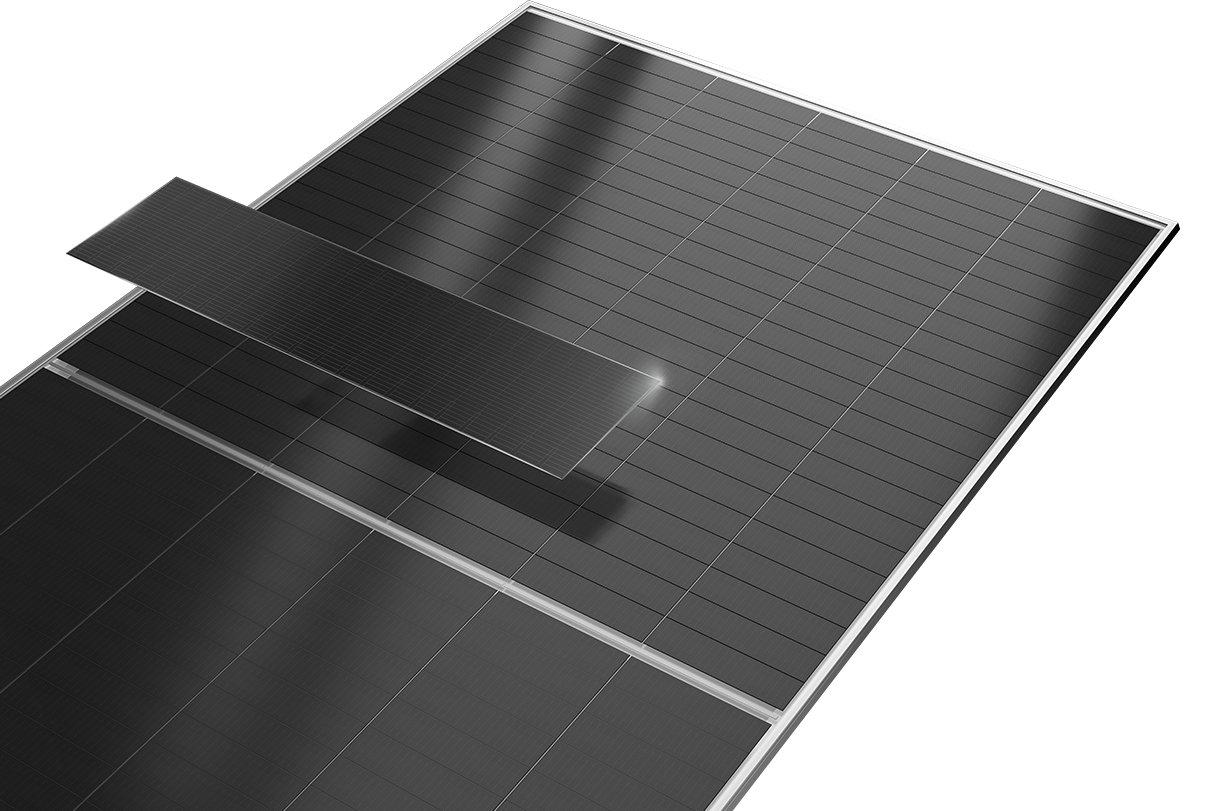
| Cell technology | N-type ABC (all back contact) | N-type TOPCon, half-cut |
| Shade handling | Partial shading optimisation built into the cell design | Half-cut cell design |
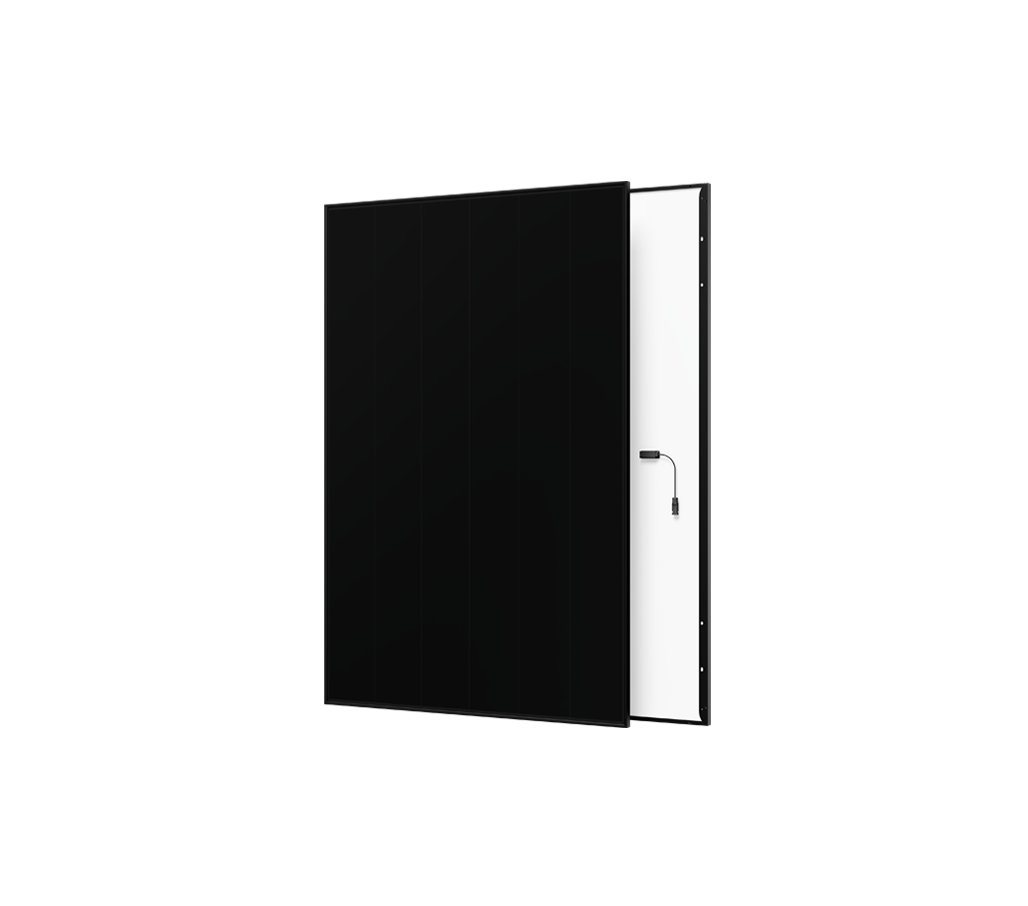
| Look | Clean face, no visible cell lines on the all-black versions | Conventional appearance |
| Where it stands out | High efficiency, shaded or tight roofs | Proven, widely used, large roofs |
| Australian office | Melbourne | Sydney |
| Manufacturer warranty (example models) | 15-year product (extendable to 25), 30-year performance, per AIKO | 25-year product, 30-year linear performance, per Jinko Australia |
Figures are the manufacturers’ published terms for example models and can differ by model. Your proposal names the exact panel and its terms.
Where AIKO suits
- Tight roof space. AIKO publishes very high panel efficiencies, so you get more from fewer panels.
- Partial shade. Trees and neighbouring buildings are common across the hinterland. AIKO’s cell design reduces shading losses, though it does not remove them, and it is not the same as panel-level optimisers.
- Clean look. The all-black versions look very neat.
Where Jinko suits
- Straightforward roofs with good sun and plenty of space, including larger systems.
- Extensions. A well-known N-type panel is a sensible choice when adding to an existing system. See adding more panels.
- Commercial roofs. Filling a large shed roof. See commercial solar.
How to decide, in four questions
- How much roof do you have? If space is tight, higher efficiency lets you fit more output on the roof you have. That points to AIKO.
- Is any of the roof shaded? A tree, a chimney or the hill behind you. Partial shading optimisation helps with patchy shade. If the shade is heavy, we talk about other options too, such as a different layout or panel-level electronics.
- Is it a big, open roof? With plenty of space and sun, both perform well, and a well-proven panel like Jinko does the job.
- What else is going on the roof? A battery, an EV charger or a later extension all affect the choice of inverter and layout. See adding more panels to an existing system.
Neither brand is a bad choice, and we would not fit one we would not put on our own roof. The difference is mostly about your roof, and that is why the site visit comes before we finalise the panel choice.
Where the panels are made and supported
Both manufacturers have Australian offices, AIKO in Melbourne and Jinko in Sydney, which matters when you need warranty support years from now. Panel warranties are claimed through the manufacturer or its Australian support, and we help our customers with that process. Our own 25-year workmanship warranty covers the installation.
What does not change
Panel choice is only part of the system. The same things matter whichever brand goes on your roof: a design sized from your real bills, a safe, tidy install, a correct connection application, and an inverter and battery that suit your needs. We pair either panel with a Sigenergy or GoodWe battery system, and we also install Sungrow, Solax and Tesla.
How we handle it on our jobs
We do not push one brand. On the face-to-face site visit we look at the roof, the shading and your space, and we recommend AIKO or Jinko for your home with the reasons. Our own electricians install it, and our 25-year workmanship warranty covers our installation work whichever panel you choose. The panel’s own product and performance warranties come from the manufacturer, alongside the inverter’s 10-year replacement warranty and a 10-year battery warranty if you add one.
Questions we get asked
Which is better, AIKO or Jinko?
Both are well regarded. In SolarQuotes’ 2026 Installer’s Choice Awards, installers voted AIKO first and Jinko second. AIKO is our pick for tight roofs, shade and the highest efficiency, and Jinko suits many straightforward roofs very well. We recommend one for your home and tell you why.
Are both N-type panels?
Yes. AIKO uses N-type all back contact (ABC) cells and Jinko’s Tiger Neo uses N-type TOPCon cells.
Do AIKO and Jinko work with Sigenergy and GoodWe batteries?
Yes. The panels and the inverter or battery are chosen separately and designed together. We size everything from your real usage.
What do the panel warranties cover?
The manufacturer’s product and performance warranties, which differ by model. Your proposal states the terms for your panel. Our 25-year workmanship warranty covers our installation work, not the panel itself.
Can I mix AIKO and Jinko on one roof?
We do not recommend mixing brands on the same string. Where a roof needs both, we put them on separate inputs. Usually we pick one brand for the whole job.
Sources
Last checked 6 October 2026.
- SolarQuotes, Best Solar Panels In Australia 2026: Installer’s Choice Awards (30 June 2026; 125 installers; AIKO 1st, Jinko 2nd)
- AIKO Australia product range
- Clean Energy Council, approved solar panels list
Related pages
- AIKO solar panels
- Jinko solar panels
- Adding more solar panels to an existing system
- Residential solar systems
- Your rebates
- Sigenergy vs GoodWe vs Tesla
Talk to us
Check Your Battery Rebate & 0% Loan
Leave your name and mobile. We’ll text you within minutes to get your rebate and 0% loan worked out.
★★★★★
Rated 5.0 from 49 Google reviews
✓Local electricians, no subcontractors
✓No obligation, takes 30 seconds
✓25-year workmanship warranty
Find us on Google Maps to read our reviews, or follow our installs on Facebook and Instagram.