

Solar battery recycling and disposal: what happens to a home battery at end of life?
Solar batteries can be recycled, but not by you at home. Old batteries are classed as hazardous waste or dangerous goods, so removal and disposal should go through your installer or the battery provider. Here is what the Australian Government says about batteries, panels and inverters.
Get my free energy assessment →
We’ll text you within minutes. Or call 0483 903 020.
Short answer
Yes. Most of the materials in a solar panel can be recycled, and the Australian Government says batteries need to be handled as hazardous waste or dangerous goods, so they should be removed and disposed of by professionals, not by you. If you have an old home battery or solar system, call your installer or an accredited installer.
Home batteries
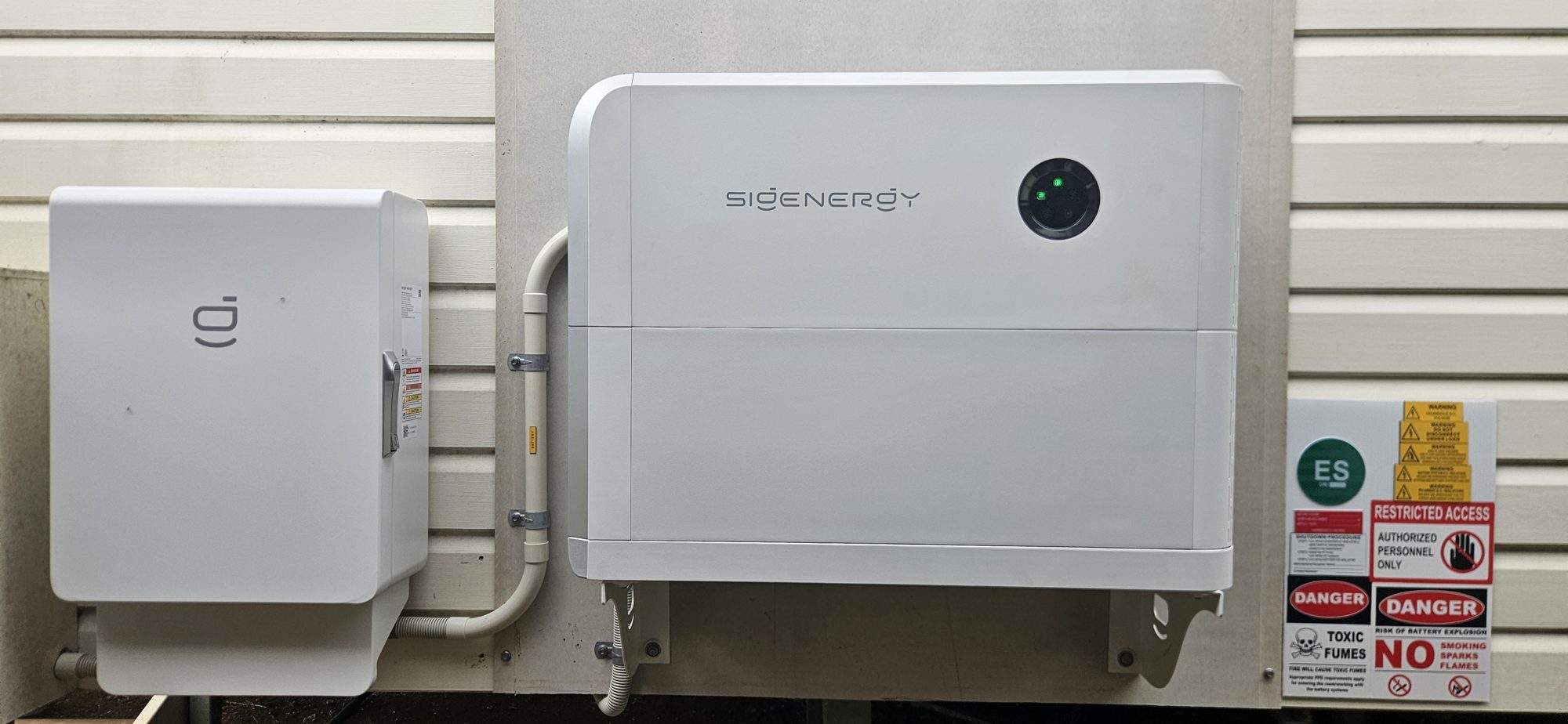
- Do not attempt to uninstall, store or transport a battery yourself. Most batteries are classified as hazardous waste or as a dangerous good.
- Contact your battery provider or an accredited installer to discuss safe disposal.
- When buying a battery, ask whether it contains recycled content, whether it is recyclable and what the end-of-life plan is. We are happy to talk this through at the assessment.
- Most home batteries are lithium-ion, which the government says typically last 10 to 15 years, so recycling is something to plan for rather than something to do soon. See how long solar panels, inverters and batteries last.
Solar panels
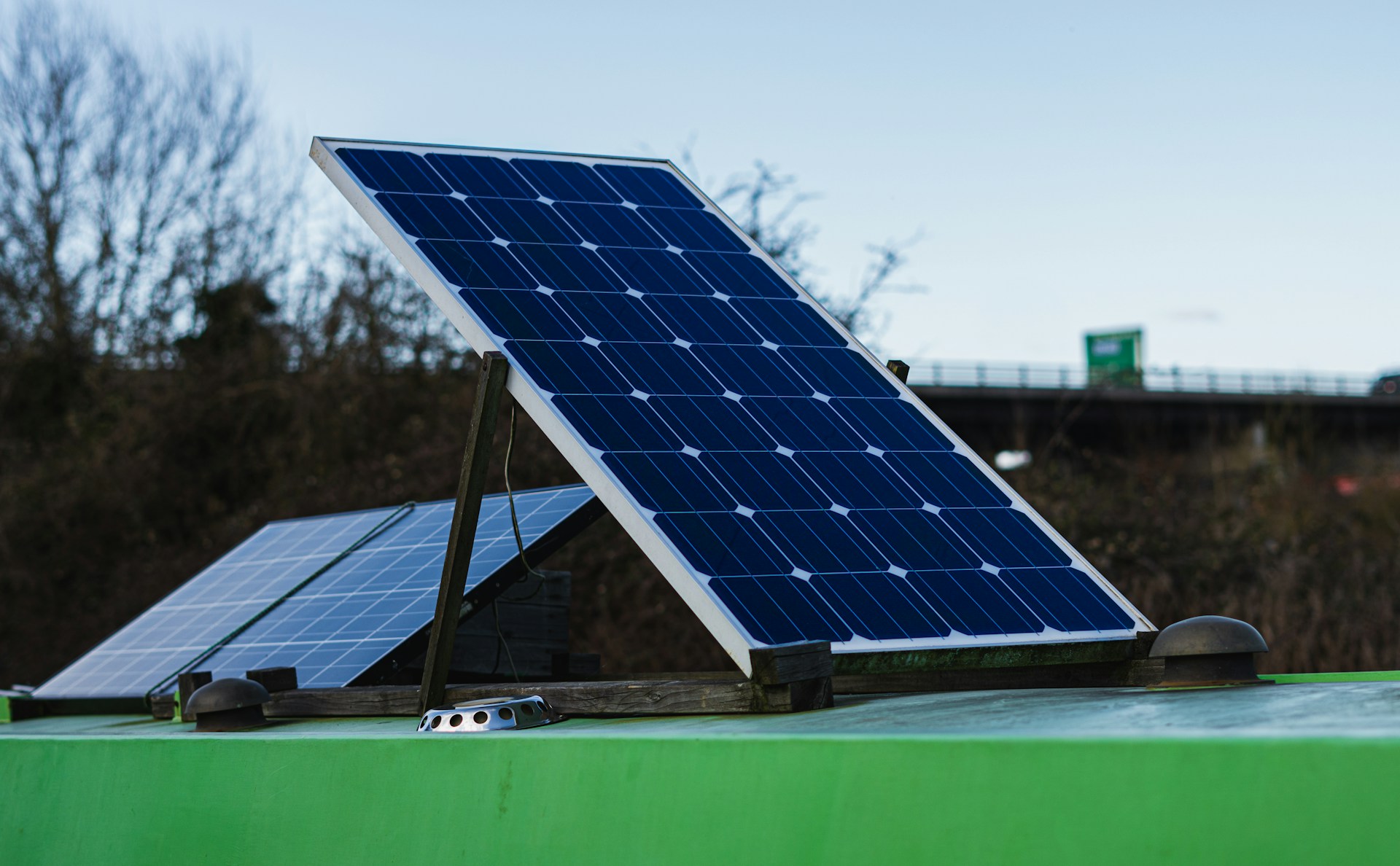
Most of the materials in a panel can be recycled, but taking one apart is a job for professionals and may involve a fee. Some states and territories have banned solar panels and e-waste from landfill. The Australian Government is funding a National Solar Panel Recycling Pilot to help plan a national scheme. Ask your installer to take away parts you no longer need.
Inverters
Inverters can be recycled as e-waste through your local council or waste facility, your accredited installer or scrap metal collectors.
Safety
Removing or replacing solar and battery components should be done by a licensed electrician. If you suspect damage, swelling, a burning smell or smoke from a battery, keep clear and call 000 if there is any fire or smoke.
Not our system? We do not remove or repair systems we did not install, but your local council or the battery maker can point you to the right service. Adding a new battery? See battery sizing and adding a battery to existing solar.
Why locals choose us
- Our own in-house team designs every system and does every install. 25 years in solar and large commercial electrical work. No subcontractors.
- A face-to-face site visit before every install: compliant battery position, switchboard and RCBO check, no surprises on the day.
- SAA-accredited installer and Sigenergy-approved, with a 25-year workmanship warranty on our installation work.
Questions we get asked
Can solar batteries be recycled?
Yes, but they should be handled by professionals. The Australian Government says most batteries are hazardous waste or dangerous goods, so do not remove, store or transport an old battery yourself.
How do I dispose of a solar battery?
Contact your battery provider or an accredited installer to discuss safe disposal options.
Can solar panels be recycled?
Most of the materials in a solar panel can be recycled. It should be done by a professional and may carry a fee.
Can I put an old inverter in the bin?
No. Inverters can be recycled as e-waste through your council, installer or scrap metal collectors.
Sources
Last checked 7 October 2026. Only the manufacturer’s, the network’s or the government’s own documents are used; app menus and defaults change between models and versions, so if your screen looks different, call us rather than guess.
- energy.gov.au: Replace and recycle your solar system
- energy.gov.au (Australian Government): Batteries, including the Cheaper Home Batteries Program, backup power, installation rules, warranties and VPPs